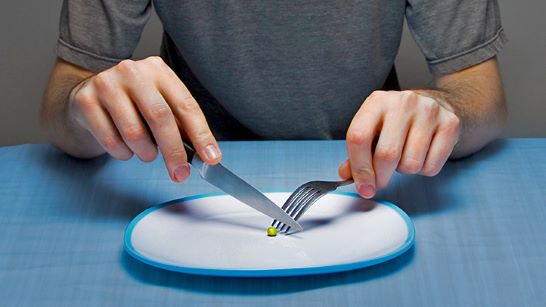
“Anorexia Nervosa” is probably the most well known eating disorder. Despite the fact that this is one of the most common mental illness, there is still a huge stigma around this subject. There are endless amount of myths around this specific eating disorder, which aren’t always true. In this post, I will bust the absurd banality that men can’t suffer from from anorexia.
A “women’s” world
It’s often believed or assumed that the world of Anorexia (or any other eating disorder) is for rich white girls only, let me tell you: it’s not! It can affect every gender, race, age and social class and one of the most infuriating things is that some people believe that it can’t affect men. It’s true that there are less men with eating disorders, but that doesn’t mean it doesn’t exist. Let’s get into the statistics for a second. Only ten percent of the people who suffer from anorexia are men, but the actual amount is estimated to be a lot higher due to several reasons.
Progressive society?
It can be said that our 21st century’s society is the big bad guy here. Just like women, also men get confronted with the ideal muscular or slim body types on a daily basis (special thanks to a crazy little thing called social media), which also makes a ton of men very self conscious. Men with anorexia is still such a taboo and the fact that they have been taught from a young age to man up and show no emotion, often causes them to be shrouded in shame and be scared to search for help. When some of them eventually find the courage to reach out, it can even occur that they are misdiagnosed. Absolutely ridiculous isn’t it?
What can we do?
First and foremost, we have to break the taboo and stigma around this subject. “How can we do this?”, I hear you wondering. The answer is INFORMATION. Talk about it, inform people who may have a wrong view or aren’t well informed. There is also another problem that has to go: for god’s sake, get rid of the whole “man up” idea, we don’t live in the 19th century anymore! Men are less likely to hide their feelings when the social pressure is gone. And last, but definitely not least; talk to people who you think are developing or suffering from an eating disorder. When you notice warning signs like sudden weight loss, a changing in the eating pattern or an unhealthy obsession with calories, weight and food, reach out to them. It’s not easy for them to make the first step, you can literally save lives!
Thanks for reading and supporting my blog! I hope you learned new and interesting things about this rather serious subject. Subscribe for more content. Love and kisses from your favorite blogger.
-xxx Bram
 Bram's bonkers blog